C-PACE Opens New Opportunities for New Jersey’s Building Trades and Pension Funds
The launch of the Garden State Commercial Property Assessed Clean Energy (C-PACE) program marks a pivotal moment for New Jersey’s … Read More
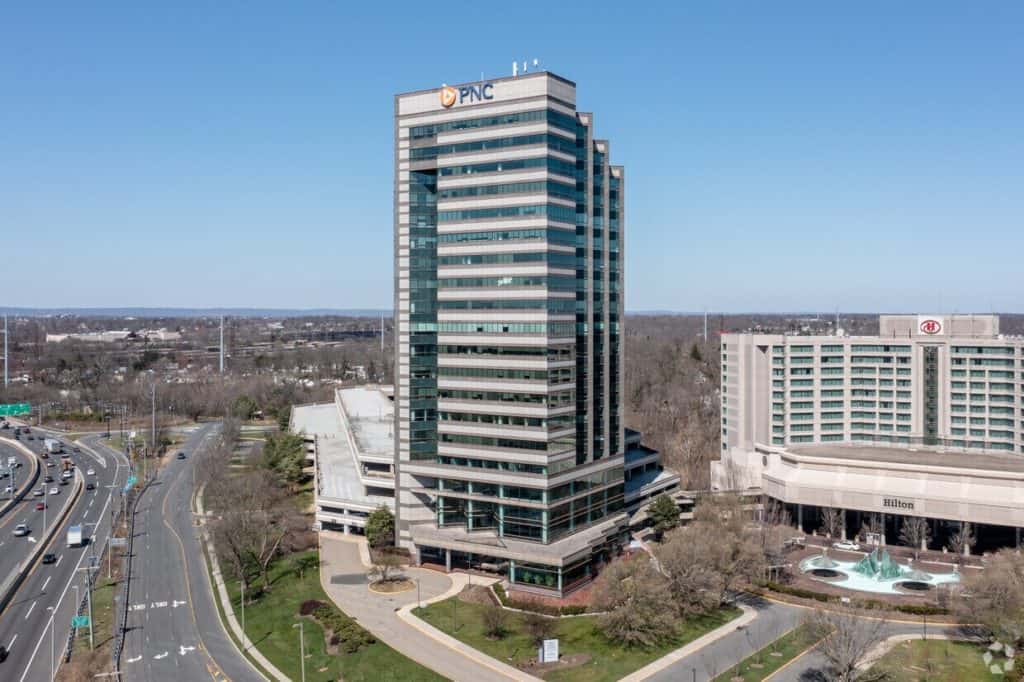
For commercial property owners, NJEDA’s Garden State C-PACE Program offers a unique opportunity to have a third-party infusion of private capital for up to 100% of the costs of energy efficiency upgrades, on-site renewable generation, and resiliency improvements. This enables retrofits with no out-of-pocket costs and new construction at a lower cost of capital. Developers can obtain up to 35% of the capital stack for new construction and gut rehab, at lower cost and with better terms. C-PACE financing is non-recourse, assumable, long-term, and fixed-rate.
We’re now helping owners and developers secure $2-$150 million in clean energy and resiliency funding for multifamily, industrial, agricultural, and nonprofit/institutional properties. Contact us today!
In brief, NJPACE—

NJPACE is an initiative of the 501(c)(3) nonprofit Possible Planet (incorporated as Center for Regenerative Community Solutions in 2013) that helps communities, including public, private, and nonprofit leaders, to understand and implement the features and benefits of C-PACE.
New Jersey’s official objectives are to reduce emissions from buildings by 85% by 2050, and specifically to upgrade 20,000 commercial buildings by 2030.
C-PACE benefits developers, property owners, contractors, professional services firms, lenders, investors, and the community.
Find out more at our About Page.
The launch of the Garden State Commercial Property Assessed Clean Energy (C-PACE) program marks a pivotal moment for New Jersey’s … Read More
We’re pleased to announce that on Tuesday, December 2, the program “Powering Change: Facilitating Energy Innovation in CRE,” hosted by … Read More
The built environment is one of the biggest carbon challenges of our time. In the United States alone, residential and … Read More
In the face of rising energy costs and the need to address increasing environmental hazards, sustainability is no longer optional … Read More